|
The history of art throughout the world is vast. And the summary here of Western art history is a good starting point. This Link will take you to a very convenient chronological chart of western art history. And below are styles being explored by painters in my studio. 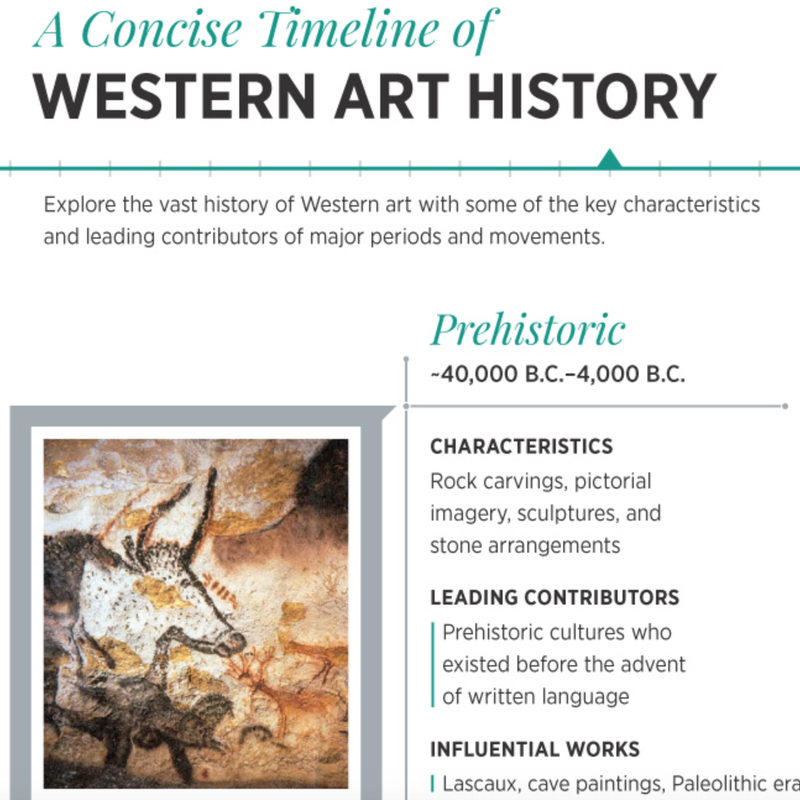 In my painting program... most painters are exploring Contemporary Realism, Impressionism, Tonalism, Luminism, and Surrealism. Here are samples of each from art history: Contemporary Realism The contemporary realism movement is a worldwide style of painting which came into existence in the 1960s and early 1970s. Featuring a straightforward approach to representation practiced by artists such as Philip Pearlstein, Alex Katz, Jack Beal and Neil Welliver. The movement refers to figurative art works created in a natural yet highly objective style. Today the term Contemporary Realism encompasses all post-1970 sculptors and painters whose discipline is representational art, where the object is to portray the "real" and not the “ideal". More about Contemporary Realism About Photorealism 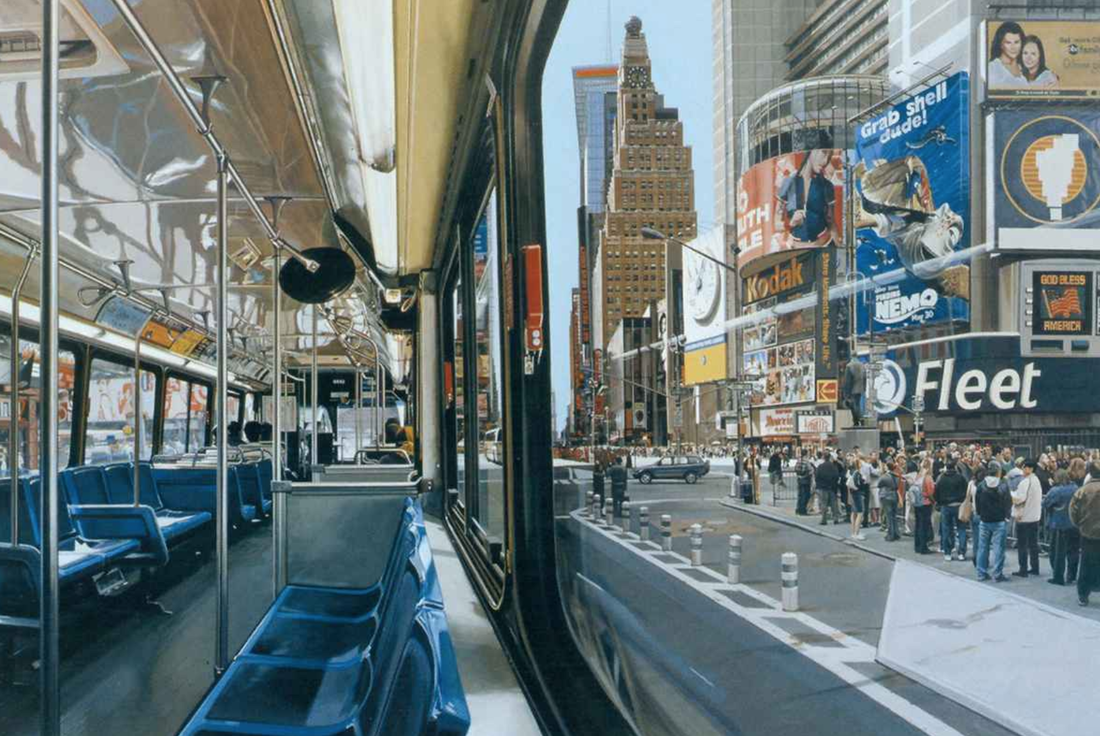 By Richard Estes Historical Origin of Realism The Realist movement began in the mid-19th century as a reaction to Romanticism and History painting. In favor of depictions of 'real' life, the Realist painters used common laborers, and ordinary people in ordinary surroundings engaged in real activities as subjects for their works. More about Realism 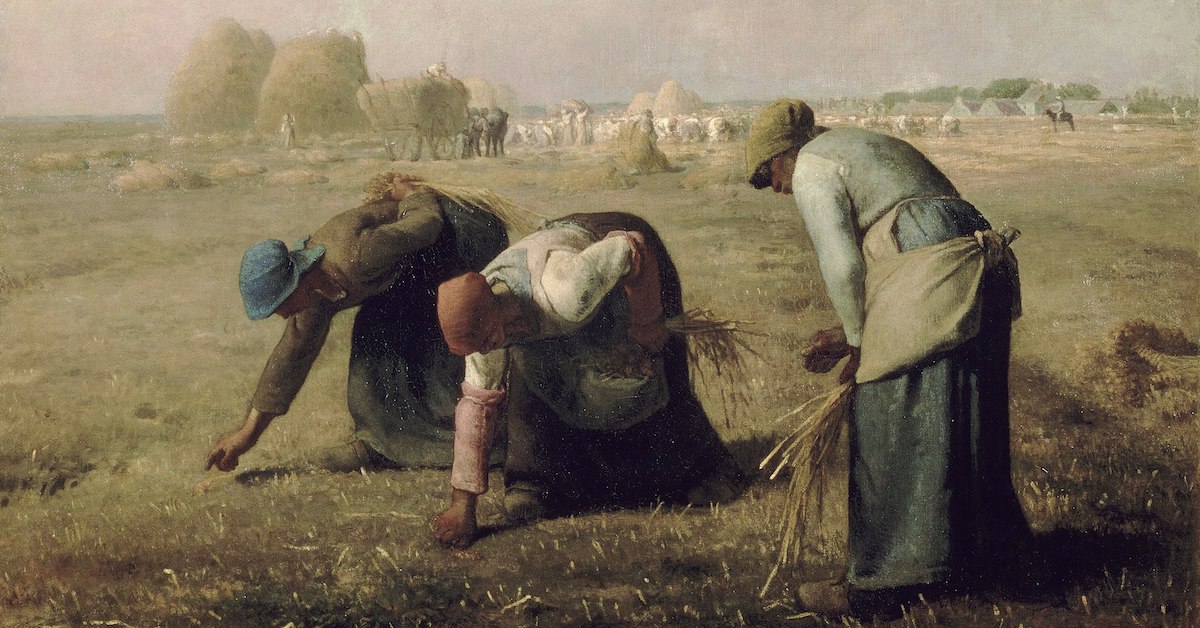 The Gleaners is an oil painting by Jean-François Millet completed in 1857. Impressionism Impressionism was a 19th-century art movement characterized by relatively small, thin, yet visible brush strokes, open composition, emphasis on accurate depiction of light in its changing qualities (often accentuating the effects of the passage of time), ordinary subject matter, unusual visual angles, and inclusion of movement as a crucial element of human perception and experience. Impressionism originated with a group of Paris-based artists whose independent exhibitions brought them to prominence during the 1870s and 1880s. More about Impressionism 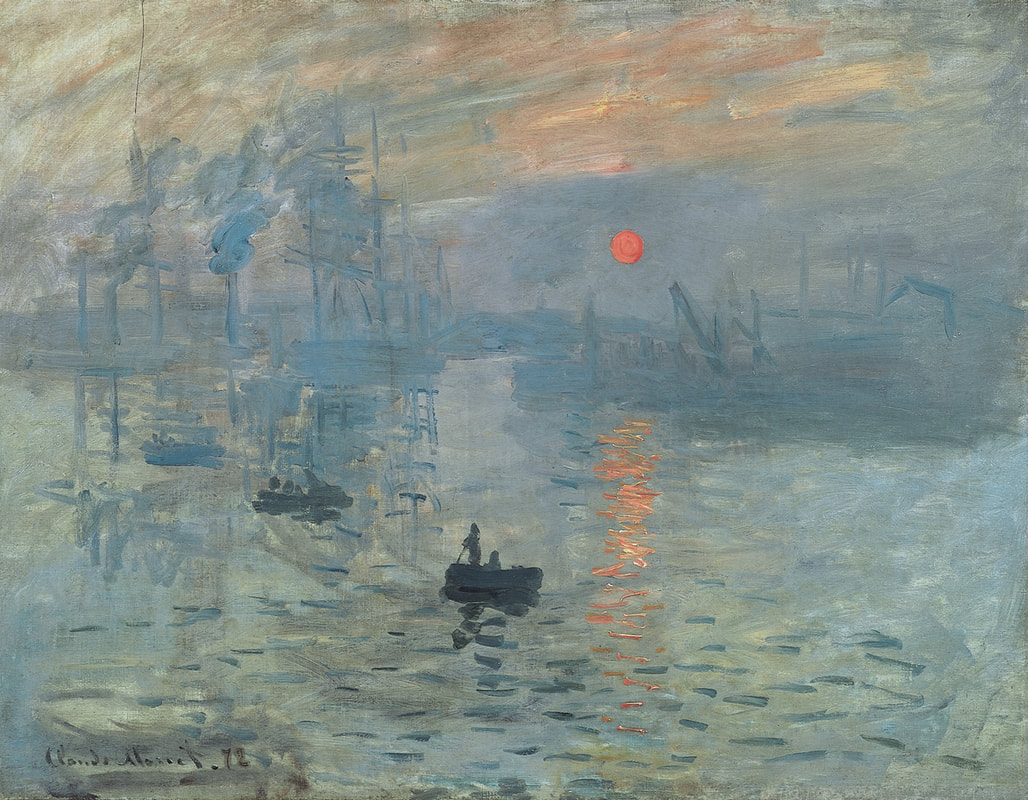 Impression, Sunrise is an 1872 painting by Claude Monet Tonalism Tonalism was an artistic style that emerged in the 1880s when American artists began to paint landscape forms with an overall tone of colored atmosphere or mist. Between 1880 and 1915, dark, neutral hues such as gray, brown or blue, often dominated compositions by artists associated with the style. During the late 1890s, American art critics began to use the term "tonal" to describe these works, as well as the lesser-known Two of the leading associated painters were George Inness and James McNeill Whistler. Overview of Tonalism 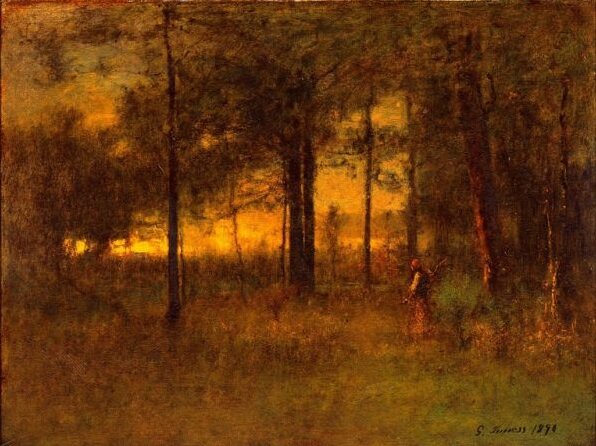 "Georgia Sunset" by George Inness Luminism Luminism is an American landscape painting style of the 1850s to 1870s, characterized by effects of light in landscape, through the use of aerial perspective and the concealment of visible brushstrokes. Luminism landscapes emphasize tranquility, and often depict calm, reflective water and a soft, hazy sky. Artists who were most central to the development of the luminist style include Fitz Hugh Lane, Martin Johnson Heade, Sanford Gifford, and John F. Kensett. More about Luminism 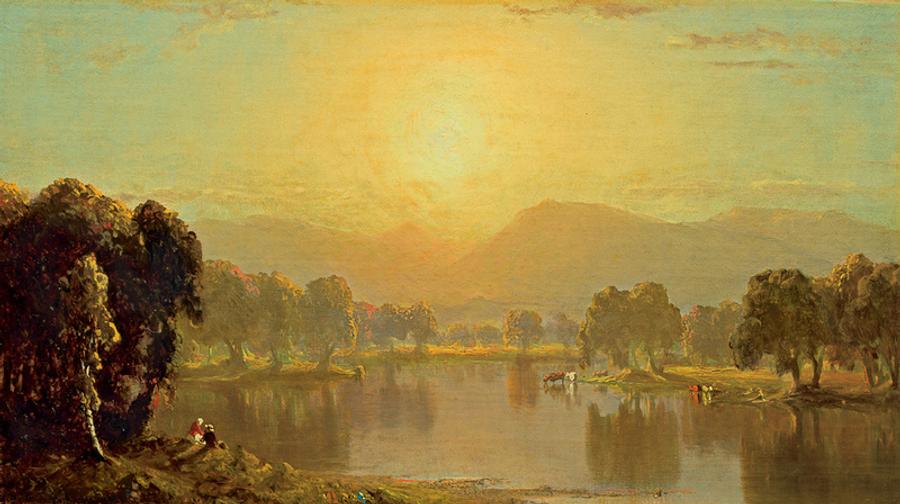 "Bend on the Juniata River" by Sanford Gifford Surrealism Surrealism aims to revolutionise human experience. It balances a rational vision of life with one that asserts the power of the unconscious and dreams. The movement's artists find magic and strange beauty in the unexpected and the uncanny, the disregarded and the unconventional. More about Surrealism 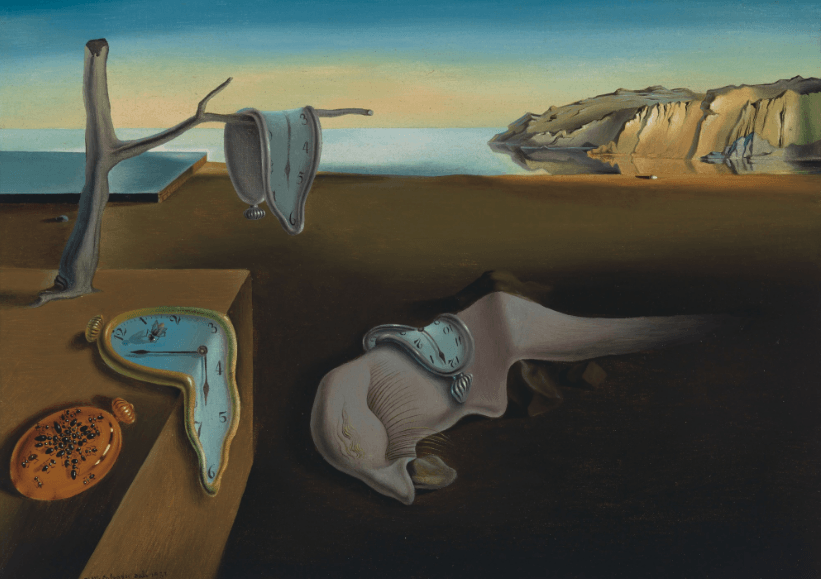 "The Persistence of Memory" 1931 Salvador Dali
0 Comments
|
AuthorPatrick Howe Archives
July 2024
Categories
All
|
 RSS Feed

|
Copyright © 2023, by Patrick Howe, all rights reserved.
Patrick Howe, Artist, Author and Educator Seattle, WA. Contact: [email protected] |
|